Nurturing Diplomacy in a Six-Year-Old Gaming Community
Category : |
Sub Category : Posted on 2024-09-07 22:25:23
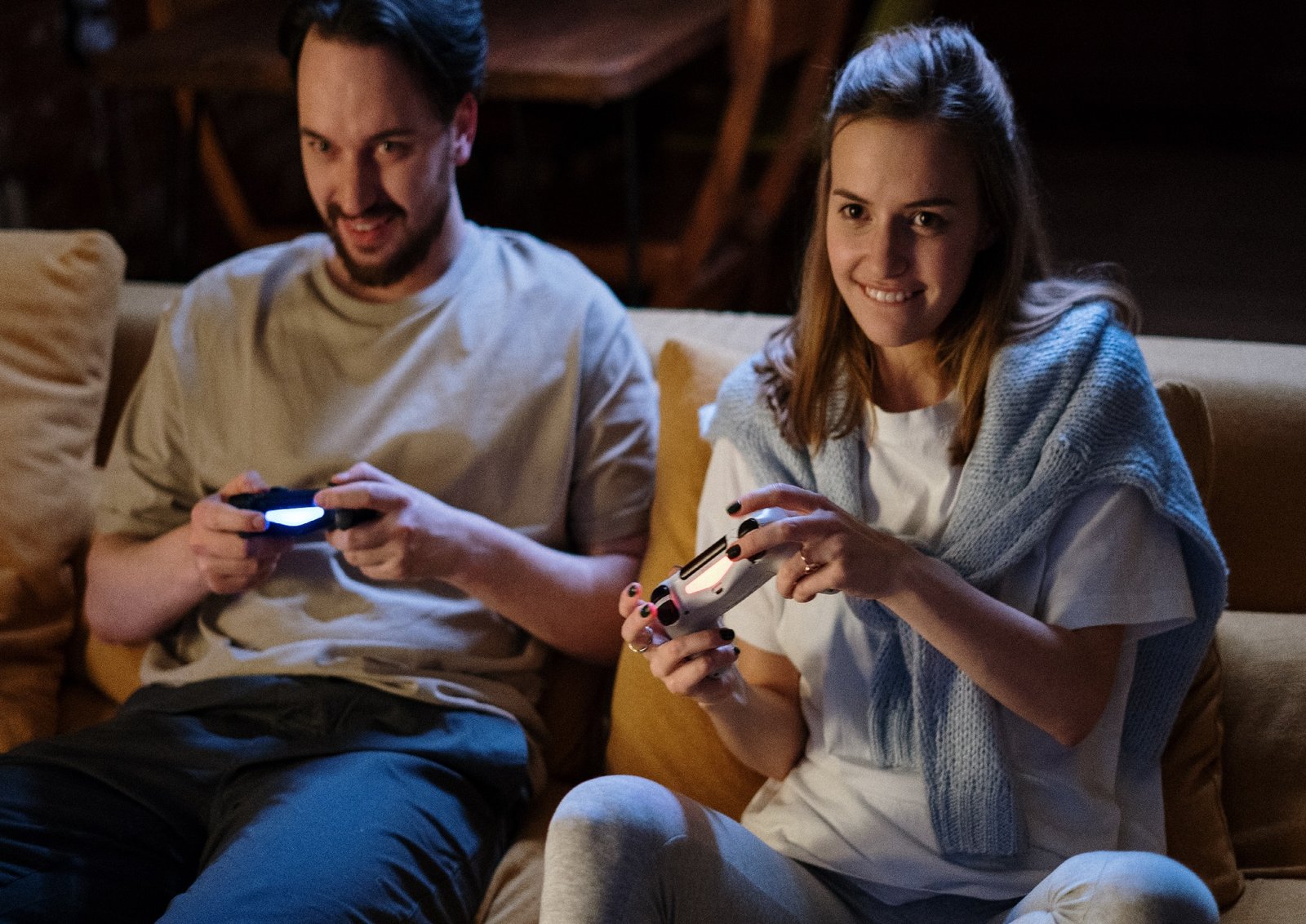
In the vibrant world of gaming communities, there exists a unique and often overlooked aspect – diplomacy. While diplomacy may seem like a concept better suited for political discussions among world leaders, it holds a significant place even in the interactions of six-year-olds engaged in gaming. So, how can we nurture diplomacy in such a young gaming community? First and foremost, it is essential to create a positive and respectful environment within the community. Encouraging kids to treat each other kindly and with empathy, both in victory and defeat, sets the foundation for diplomatic interactions. Emphasizing the importance of good sportsmanship, cooperation, and conflict resolution can go a long way in fostering a harmonious atmosphere. Furthermore, promoting open communication among the young gamers is key to building diplomatic skills. Encouraging them to express their thoughts and listen to others' opinions helps develop their ability to understand different viewpoints and work towards mutually beneficial solutions. Teaching them how to communicate effectively and respectfully, even when faced with disagreements, is invaluable in cultivating diplomatic relationships. Introducing collaborative gameplay experiences can also aid in nurturing diplomacy within the gaming community. By engaging in team-based activities, six-year-olds can learn the importance of working together towards a common goal, respecting each other's strengths and weaknesses, and appreciating the unique contributions of each team member. This collaborative spirit fosters a sense of unity and camaraderie, essential elements of diplomatic interactions. Moreover, incorporating elements of strategy and problem-solving in gaming activities can further enhance the development of diplomatic skills among young gamers. By challenging them to think critically, plan ahead, and consider the consequences of their actions, they can learn valuable lessons about making informed decisions and negotiating outcomes effectively. In conclusion, while the notion of diplomacy may seem complex for six-year-olds in a gaming community, it is vital to nurture these skills from a young age. By creating a positive environment, promoting open communication, encouraging collaboration, and integrating strategic gameplay, we can help young gamers develop important diplomatic skills that will serve them well both in virtual worlds and real-life interactions.Through these efforts, we can empower the next generation to navigate conflicts, build relationships, and foster a community where diplomacy thrives. Explore this subject further by checking out https://www.squabbling.org


