Navigating Contradictions in the Six-Year-Old Gaming Community
Category : |
Sub Category : Posted on 2024-09-07 22:25:23
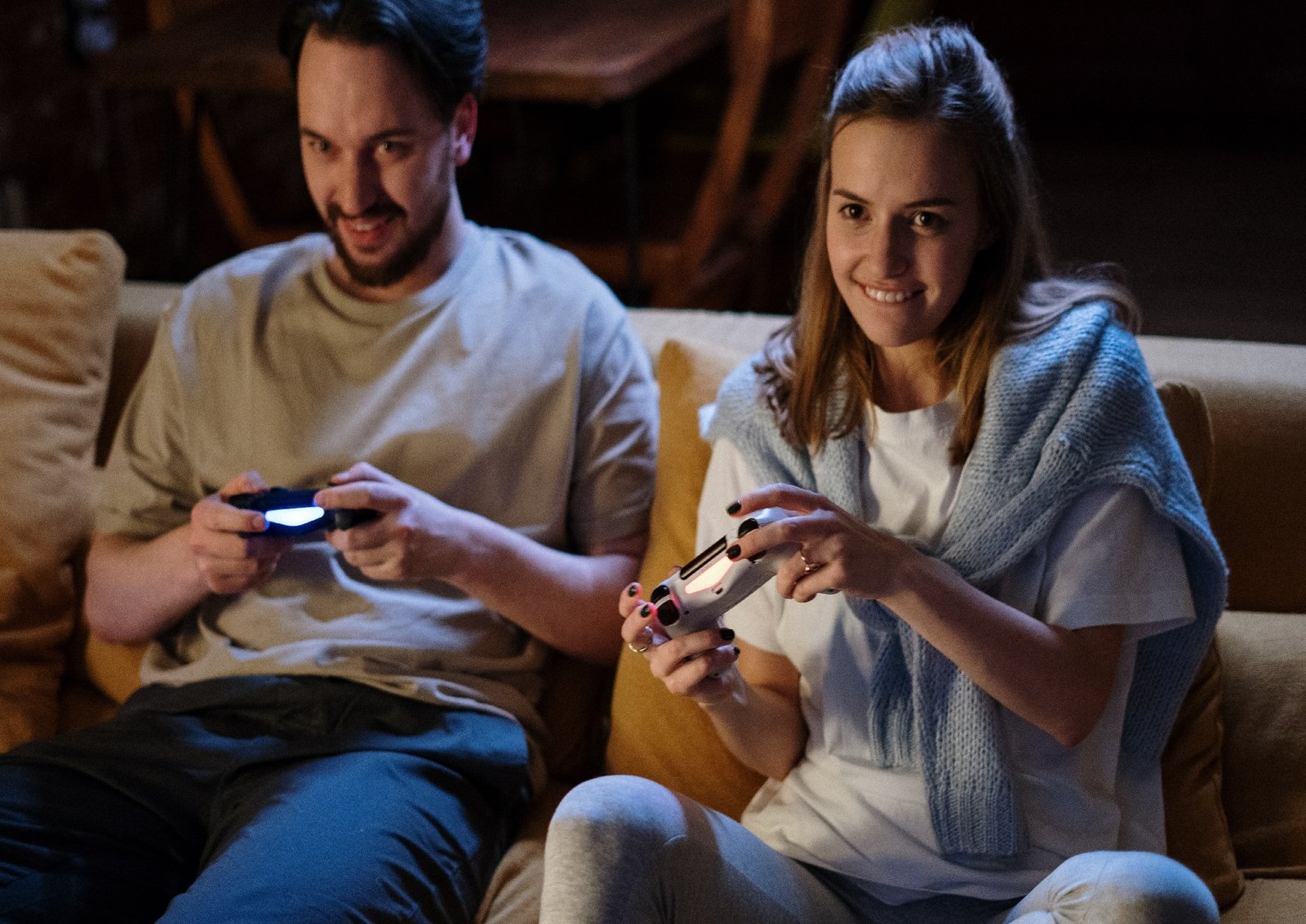
Introduction: The world of gaming is vast and diverse, offering something for everyone regardless of age. For six-year-olds, gaming can be a thrilling adventure, a way to connect with friends, and a source of entertainment. However, within this seemingly innocent and fun community, there are contradictions that both parents and players need to be aware of. Let's explore some of these contradictions and how they can impact the six-year-old gaming experience. 1. Educational vs. Addictive: One of the main contradictions in the six-year-old gaming community is the balance between educational benefits and addictive tendencies. Many games designed for young children claim to offer educational value, promoting skills like problem-solving, creativity, and critical thinking. However, some of these games can also be highly addictive, leading children to spend excessive amounts of time in front of screens. Parents need to monitor their child's gaming habits to ensure a healthy balance between learning and playtime. 2. Safety vs. Online Interactions: Another contradiction in the six-year-old gaming community is the tension between safety concerns and online interactions. While gaming can be a social activity that allows children to connect with friends and make new ones, it also exposes them to potential risks such as cyberbullying, inappropriate content, and online predators. Parents must educate their children about online safety measures, set boundaries on who they can interact with, and supervise their online activities to protect them from harm. 3. Skill Development vs. Instant Gratification: In the gaming world, there is often a contradiction between promoting skill development and catering to the desire for instant gratification. Some games challenge children to improve their abilities, think strategically, and persevere through obstacles, fostering important learning skills. On the other hand, many games offer quick rewards, easy achievements, and instant gratification, which can lead to a lack of patience and resilience in young players. Parents should encourage their children to play a mix of games that strike a balance between skill development and gratification to promote healthy gaming habits. 4. Creativity vs. Consumerism: Six-year-olds in the gaming community are often exposed to a wide range of games that vary in creativity and originality. While some games encourage children to unleash their creativity, design their own levels, and express themselves through gameplay, others promote consumerism by encouraging in-game purchases, loot boxes, and microtransactions. Parents should guide their children to choose games that foster creativity and imagination, while being mindful of the commercial aspects that can lead to overspending and materialistic desires. Conclusion: Navigating the contradictions in the six-year-old gaming community requires a balanced approach that considers the educational benefits, safety concerns, skill development, and creativity opportunities within the gaming landscape. By being aware of these contradictions and actively engaging with their children's gaming experiences, parents can help create a positive and enriching environment for young gamers to learn, connect, and have fun in a safe and responsible manner.


