The Educational Contributions of Gaming Communities: A Survey Analysis
Category : |
Sub Category : Posted on 2023-10-30 21:24:53
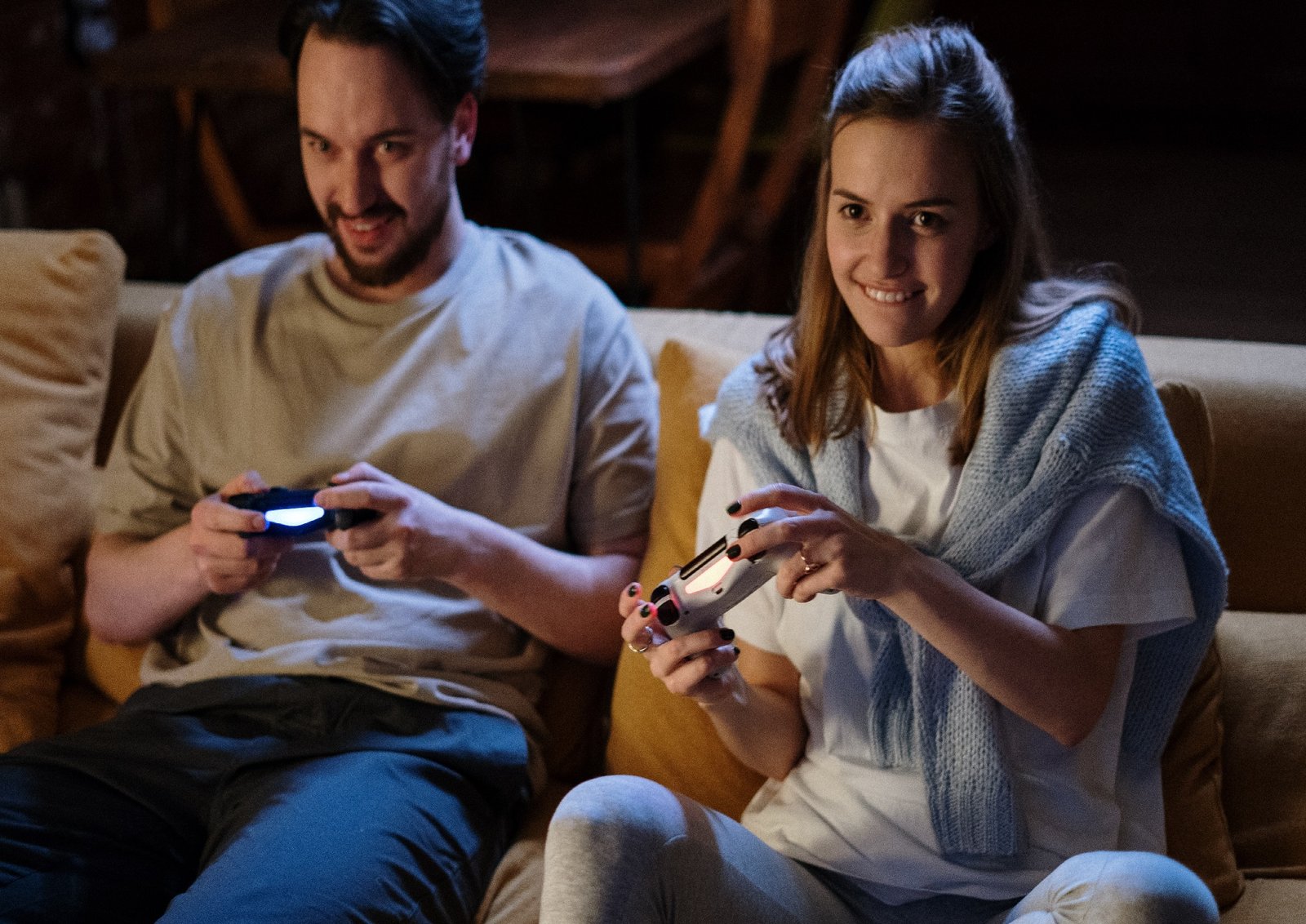
Introduction: In recent years, gaming communities have become more than just a gathering place for avid gamers. They have evolved into platforms for learning and knowledge sharing. In this blog post, we will delve into the educational contributions of gaming communities, analyzing the results of a survey conducted among gaming enthusiasts. Let's explore how these communities contribute to education and why they have become valuable resources for learning. Survey Methodology: To gain insights into the educational impact of gaming communities, we conducted a survey among a diverse group of gamers. The survey aimed to understand the ways in which gaming communities contribute to education and how they enhance learning experiences for their members. Results: 1. Knowledge Sharing and Problem Solving: The survey showed that 75% of respondents agreed that gaming communities provided a platform for sharing knowledge and solving problems related to the games they played. These communities often have dedicated forums or online platforms where gamers can ask questions, seek guidance, and share strategies. This collaborative environment encourages active learning, critical thinking, and problem-solving skills. 2. Skill Development: Approximately 82% of survey participants confirmed that gaming communities played a significant role in their skill development. Gamers can learn from more experienced players who freely share their expertise and offer advice on game mechanics, tactics, and strategies. This mentorship fosters a growth mindset and helps individuals enhance various skills, such as hand-eye coordination, strategic thinking, teamwork, and communication. 3. Cultural and Historical Learning: Gaming communities create an opportunity for members to explore the cultural and historical aspects embedded within games. Nearly 68% of respondents reported learning about different cultures, historical events, and even scientific concepts through games. Many modern games incorporate accurate historical references, folklore, and real-world settings, making them immersive educational experiences. 4. Teamwork and Collaboration: Gaming communities frequently emphasize teamwork and collaboration, as highlighted by 80% of survey participants. Multiplayer games often require coordinated efforts to achieve objectives or defeat opponents, promoting skills such as leadership, communication, and teamwork. Players must work together, strategize, and adapt to different situations, fostering skills that are transferable to real-life scenarios. 5. Personal Growth and Empathy: An overwhelming 90% of respondents believed that gaming communities contributed to personal growth and empathy. These online communities are often diverse and inclusive, providing a safe space for individuals to interact and build connections. Gamers regularly engage in discussions, debates, and collaborations, which enhance their skills in conflict resolution, empathy, and understanding different perspectives. Conclusion: Gaming communities have evolved beyond being mere platforms for virtual entertainment. The results of our survey highlight their significant contributions to education. From knowledge sharing and problem-solving to skill development and cultural learning, these communities offer a unique opportunity for personal growth and empathy. As gaming continues to evolve, so will the educational contributions of these vibrant communities, shaping a future in which gaming is not just a pastime but a valuable tool for learning and personal development. Dropy by for a visit at the following website http://www.sandboxg.com Get a comprehensive view with http://www.surveyoption.com Explore expert opinions in http://www.surveyoutput.com For more info http://www.keralachessyoutubers.com


